Spec Library

Masimo Spec Library — monitoring specs, audited and disclosed.

SpO2 Arms tables, sensor IFUs, cybersecurity MDS² packs, and regulatory timelines — structured for biomeds, RA/QA, and value analysis. Reporting aligned to ISO 80601-2-61, IEC 60601-1, and MDR Annex II documentation practices.

Specification dashboards

Representative trend visuals for RFP packs. Request the CSV behind each chart for audited site data.

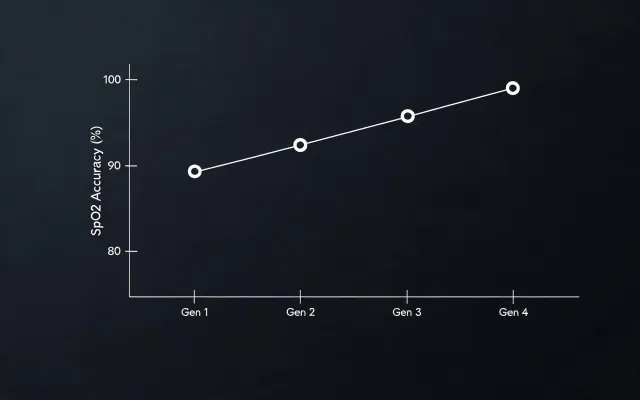
SpO2 Arms accuracy trend chart
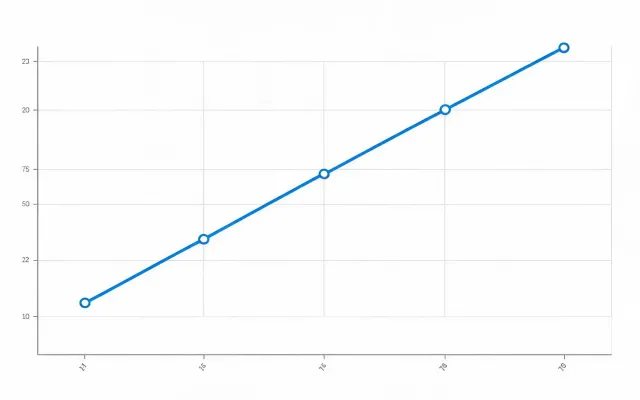
SpO2 Arms Trend by Generation
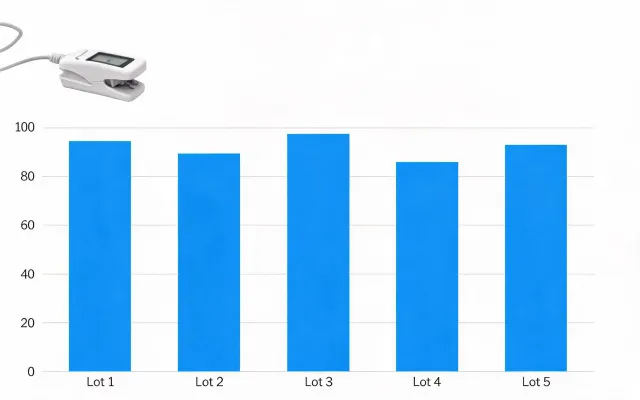
Sensor lot release yield chart
Sensor Lot Release Yield
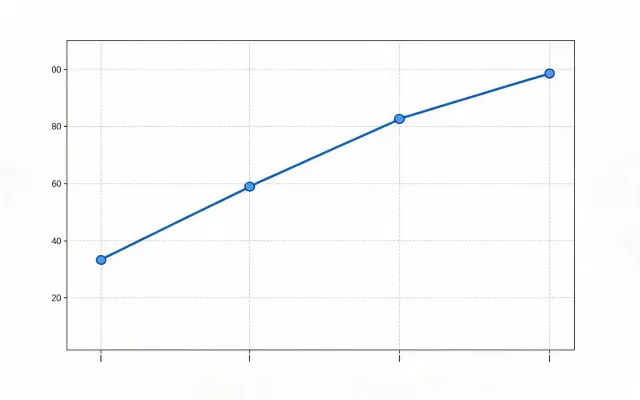
MTBF hours chart
Bedside Monitor MTBF (hours)
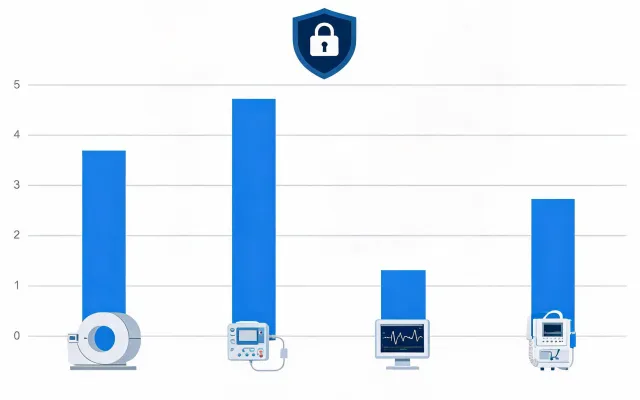
Cyber patch latency chart
Cyber Patch Latency (days)
Single-use sensor plastics chart
Single-use Plastic / Sensor
Take-back tonnage chart
Monitor Take-back Tonnage

Regulatory timeline for monitoring platforms

  1. FDA Premarket Cybersecurity Guidance

    SBOM and coordinated vulnerability disclosure required for connected Masimo monitors entering new 510(k) pathways.

  2. MDR Annex II.6 Environmental Inputs

    EU technical documentation updated with material declarations and take-back statements for sensor packaging.

  3. EU Carbon Border Adjustment Modeling

    CBAM impact on monitor imports modeled for EU distribution hubs.

  4. Power-saving sleep modes on connected fleets

    Firmware sleep policies aligned with hospital sustainability RFPs and cybersecurity idle-port hardening.

Selection trade-off

Disposable SpO2 sensors vs reusable probes: sterility, cost, and waste

Infection-control and sustainability committees often disagree on sensor strategy. Masimo stocks both pathways so value analysis can score the same clinical indication two ways — without treating either path as universally preferred.

Single-use disposable sensors

Lower cross-contamination risk between patients, predictable per-procedure costing, and no Spaulding reprocessing liability. Preferred in high-turnover PACU / ASC lanes and isolation rooms. Trade-off: higher plastic mass per monitored day and more SKU logistics for LNCS / RD lots.

Reusable / multi-patient probes

Lower cost per reading and smaller waste footprint when cleaning IFUs (ISO 17664-style steps, contact-time disinfectants) are followed. Trade-off: reprocessing labor, incomplete cleaning CAPA risk, and Arms / low-perfusion claims that may differ from the disposable IFU for the same monitor family.

Neither pathway guarantees outcomes. Confirm cleaned-vs-disposable Arms bands, reuse limits, and contraindicated sites in the cleared IFU before writing a formulary rule.

Operating boundaries

Technical limitations biomeds should budget for

  • Motion / low perfusion: SpO2 Arms claims under motion or low perfusion apply only where the cleared IFU states those modes. Spot-check handhelds without those claims must not be specified for continuous ICU motion environments.
  • Nail polish, dark pigmentation, and dyshemoglobins: Optical SpO2 can bias when carboxyhemoglobin / methemoglobin are elevated or when sensors are mis-sited. Pulse co-oximetry options require separate cleared indications — do not infer them from a standard SpO2 IFU.
  • EMR bridge dependency: HL7 v2 ORU and FHIR R4 Observation paths need a configured site bridge / interface engine. Monitors alone do not guarantee Epic or Cerner charting without integration testing.
  • Service geography: Sub-4-hour on-site MTTR targets apply only under Premium contracts in covered urban zones. Rural and depot-only markets follow the written SLA, not the website median.

Verification path: request the ISO 80601-2-61 Arms summary, MDS² / SBOM pack, and a loaner monitor for bedside integration testing via the Spec Library request form.

Download the audited Spec Library pack

Receive SpO2 Arms tables, IFU index, and cybersecurity disclosures for your market.

Get the data